
Friday, May 18, 2018

Wednesday, May 2, 2018

Thursday, April 12, 2018

Sunday, December 31, 2017
Summer Learning Journey (W3) (Day One)
Activity 3. Snail Mail
In the 1950s, most people communicated with one another by writing letters. According to the NZ history website, New Zealanders sent over 200 million letters and postcards between 1950 and 1960. That is an average of 87 letters per person!
For this activity, imagine that you are living in New Zealand in the 1950s. Use Google Draw to design the front of a postcard that you could send to a friend. Try to include elements of Kiwiana in your design (e.g. Pohutukawa trees, Hokey Pokey ice cream, etc). Post a copy of your postcard picture to your blog. Be sure to describe what you have drawn on your blog beneath the picture.

In this post card I have included a Zealand beach with a pohutukawa tree. nesting in the pohutukawa tree is a fantail one of New Zealand's native birds. underneath the pohutukawa tree is a picnic bench where a pavlova sits and instead of the post card saying New Zealand I Replaced with the Maori name known as Aotearoa.
Summer Learning Journey (W3) (Day One)
Activity 1. Meat And Three Veg
It was common for women in the 1950s to stay home with their children and raise their family. They were called ‘housewives.’ Many housewives followed a simple rule when they prepared the evening meal: the ‘meat and three veg’ rule. This meant that they prepared dinners that included three different vegetables and a type of meat (eg. beef, lamb, or chicken).
On your blog tell us if you think that the ‘meat and three veg’ rule is a good one. Do you like the rule? Would you enjoy eating a typical 1950s dinner? Why or why not?
To be completely honest I would not like the rule of meat and three veg it just simply would not be enjoyable for me. when it comes to food you can be as creative as you like but this rule only always to put so little on a plate what about all theses enjoyable herbs on the side what about when your at a BBQ you have to have one kind of meat when without the rule you can have a different selection of meat. why go to the supermarket and just buy simple veges and one kind of meat theirs is so much you could choose from to put on your dinner plate so i would not like this rule at all.

Friday, December 22, 2017
Summer Learning Journey (W2) (Day Three)
Activity 3. Paying it Forward
In the mid-1930s, things began to change for the better in New Zealand. More people were able to find work and receive a steady paycheck. They were still careful, however, with their money and rarely, if ever, bought treats or gifts for one another.
Imagine that you were able to travel back in time to visit a family in the 1930s. What special gifts or treats would you like to bring with you?
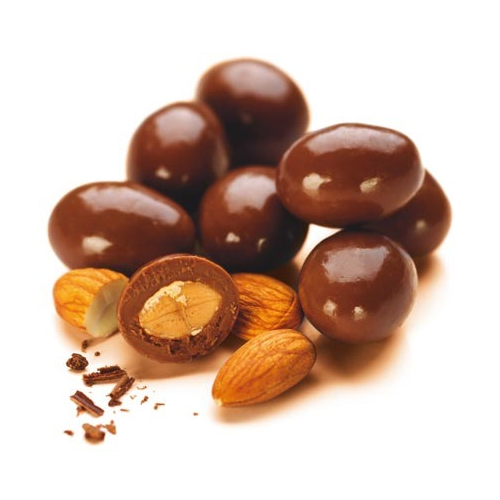
As a tasty treat I would most likely bring scorched almonds. Scorched Almonds are made using whole almonds, which are roasted to bring out their luxurious flavour and are then covered in creamy milk chocolate. Making a combination that is true luxury and perfect for any occasion. I would also bring some healthy food choices. and I cant forget about lots of games and activity's for the children. And because I couldn't be generous enough I would give them a whole lot of cash that they would be able to use.
Summer Learning Journey (W2) (Day Three)
Activity 1. Dealing with Stress
In New Zealand, many people lost their jobs during this decade. Experts predict that as much as 30% of the population was unemployed. It was a very stressful time for families.
Sadly, many of us still experience stress in our lives to this day. On your blog, please tell us what you do when you want to relax or de-stress. Do you read a favourite book, watch a favourite television show or talk to someone special? What are your tips for dealing with stress?
Wednesday, December 20, 2017
Summer Learning Journey (W2) (Day One)
Activity 3. In Flanders Fields
As the new century dawned, New Zealanders settled into a period of relative calm. The calm lasted for about 15 years but came to a sudden end in 1914 when World War I erupted in Europe. The war lasted for almost five years and claimed the lives of 18,000 New Zealanders.
It also claimed the lives of thousands of men and women from countries around the world. Every year, we remember these brave men and women on ANZAC Day (25 April). Many people go to a special Anzac Day ceremony where they read a special poem that was written for the fallen soldiers. The poem is called ‘In Flanders Fields’ by John McCrae.
Read the poem. On your blog, tell us what you think of the poem. Do you like it? How does it make you feel?
When I read Flanders Fields it gave me so many mixed emotions because these soldiers died to make New Zealand they way it is today to me the poem has such a deep story behind it we all no the stories about the soldiers but we don't now there personal stories. when I think of the situation of all those sons, brothers, husbands and fathers never returning home reading that poem had shone a light telling us that they loved and were loved and they couldn't be happier. John McCrae has done a fantastic job I couldn't have done better.
Summer Learning Journey (W2) (Day One)
Activity 1. St Joseph’s Cathedral
At the turn of the century, there was a great deal of construction happening in New Zealand. Many of the new British settlers wanted to build homes and community meeting places, such as churches. One of the largest buildings to be constructed during this period was St Joseph’s Cathedral in Dunedin
St Joseph’s Cathedral is just one of hundreds of beautiful cathedrals around the world.
Use your search engine to find a picture of another famous cathedral. Post a picture of the cathedral on your blog. Underneath the picture tell us: the name of the cathedral, where the cathedral is located, when it was built, and how long it took to build.

St. Basil's Cathedral
The St. Basil's Cathedral Is Located In Red Square, Moskva, Russia,
St. Basil's Cathedral Was Built in 1555
The St. Basil's Cathedral Was Built Between 1555 - 1561
The Height Of St. Basil's Cathedral Is 65 meters
Tuesday, December 19, 2017
Summer Learning Journey (Day Three)
Activity 3. Fun Family Facts
Everyone’s family is unique. What makes your family special? Choose three people close to you and ask them what their two favourite things to do in summer are
On your blog, write two fun facts about each person.
1 My Big Brother. He dose lakebrunner sea scout and enjoys drawing he might not admit it but he is a really good drawer
2 My Dad. one of dads favourite things in summer and all the other seasons is drinking coffee And another favourite of his is cooking lets just say I will not complain about whats on my plate when he cooks.
3 My Mum. One of mums favourite things to do is catching u with her friends in town for a cuppa. and I can't forget her love for gardening when it's fine weather she is always out in the garden when she can.
Summer Learning Journey (Day Three)
Activity 2. Acknowledging Ancestry
All of us are members of a family. Some of us have large families and some of us have very small families. When I have the opportunity to talk about my family and my ancestry I sometimes choose to use a pepeha. It is a very special way of identifying who I am and where I come from. There are many different versions of pepeha but most provide people with information about who you are and where you come from (i.e. your whakapapa). Use the template provided below to prepare your own unique pepeha. If you need help please watch this short movie clip on preparing a pepeha.
Ko Mount Sewel te maunga
Ko Mawheranui te awa
Ko James Grant tōku tīpuna
Ko Grant Clan tōku iwi
Ko Dunwoodie Clan tōku hapu
Ko Dobson ahau
Ko Tony Grant rāua ko Rosslyn Grant ōku mātua
Ko Catrin Grant tōku ingoa
Subscribe to:
Posts (Atom)